Guiding through the ever-evolving World of Warcraft, you’ll find that patch changes markedly impact raid dynamics and strategies. Adjustments to raid difficulty guarantee a balance between challenge and frustration, preventing player burnout. New mechanics overhaul encounters, keeping gameplay fresh and demanding teamwork. Class and gear tweaks can shift the viability of certain specs, forcing you to adapt your approach. Changes to tactics and resource management become vital as patches frequently alter boss mechanics. Community feedback often shapes how swiftly developers roll out further tweaks. By understanding these elements, you’ll stay ahead of the curve and master the complexities in your raids.
Key Takeaways
- Patch adjustments can alter boss mechanics, necessitating fresh strategies and coordination for raid success.
- Class and spec changes affect raid compositions, demanding adaptation for optimal performance.
- Gear updates shift stat priorities, influencing gear optimization and overall raid effectiveness.
- Mechanics overhauls introduce new challenges, requiring innovative approaches and enhancing player engagement.
- Community feedback on patches drives subsequent hotfixes and adjustments, maintaining raid balance and player satisfaction.
Balancing Raid Difficulty
When it comes to balancing raid difficulty in World of Warcraft (WoW), developers tread a fine line between challenge and frustration. You’ve probably noticed that too much difficulty can lead to player burnout, while too little can cause boredom. One key aspect is raid composition. Ensuring each class’s strengths and weaknesses are accounted for means that no single class dominates or is sidelined.
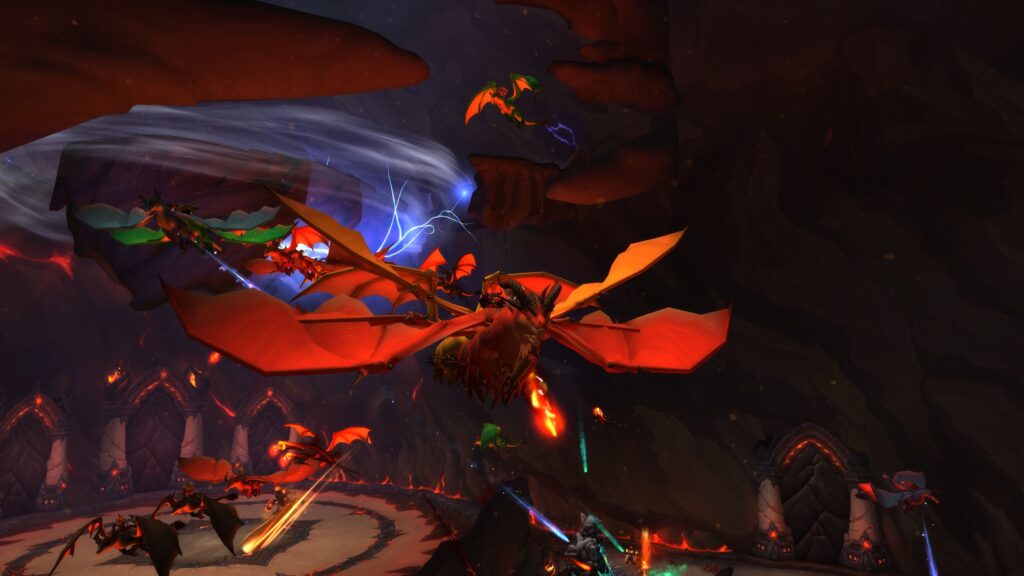
Balanced raid composition lets diverse roles—tanks, healers, and DPS—shine in their moments, enhancing the overall experience. But it’s not just about balance; it’s also about player synergy. A well-coordinated team where players seamlessly sync their abilities can overcome even the toughest encounters. Developers often tweak encounters to emphasize this synergy, making it vital for raid groups to communicate and adapt.
Moreover, the evolving metagame means developers need to constantly adjust and refine. What worked in one raid tier may not work in another, making dynamic balancing essential. You’ll find that when raid difficulty is well-balanced, it rewards skillful play and strategic planning, creating an engaging and satisfying experience that keeps you coming back for more.
Mechanics Overhaul
Mechanics overhaul in World of Warcraft‘s raids plays a fundamental role in keeping the game fresh and challenging. When Blizzard revisits and revamps the mechanics, it guarantees you face new obstacles and stimulating challenges in every raid. This continual mechanics variety is essential for maintaining player interest and engagement. By infusing a broad spectrum of mechanics, Blizzard prevents the encounters from becoming repetitive and predictable.
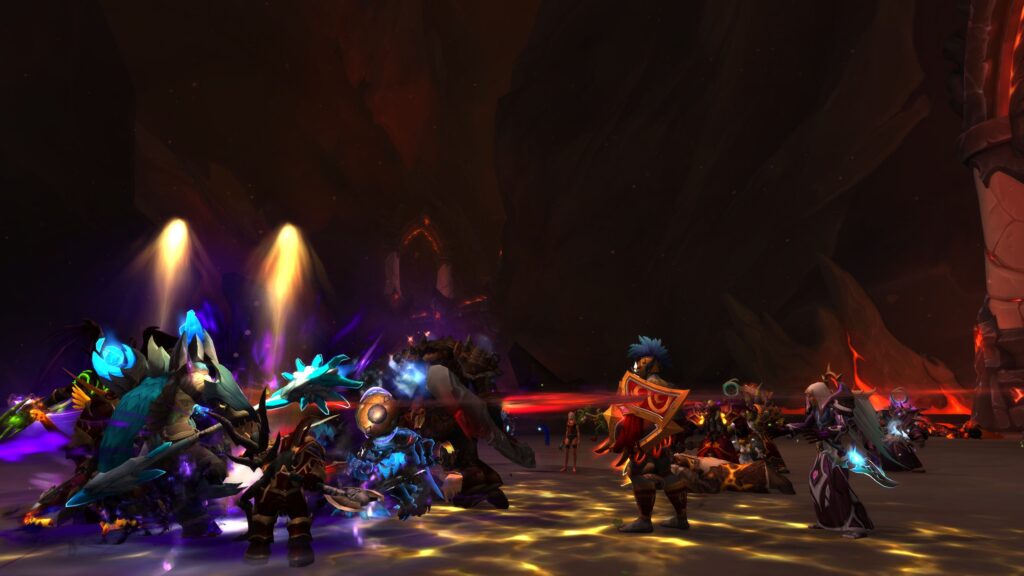
Encounter design is another key element that benefits from mechanics overhauls. When designers introduce entirely new types of encounters or greatly update old ones, you’ll find yourself strategizing anew. For example, a well-executed mechanics overhaul might change how a raid boss behaves, necessitating a total reevaluation of your approach. Instead of relying on a stale, well-trodden strategy, you must adapt and innovate, which keeps the gameplay dynamic.
Moreover, these overhauls often bring additional layers of complexity to encounters. New mechanics require you to work cohesively with your team, enhancing the social and cooperative aspects of the game. So, the next time you drop into a raid, remember that the shaking up of mechanics guarantees you’re always challenged and never complacent.
Class and Gear Adjustments
Just as mechanics overhauls transform raid encounters, class and gear adjustments greatly influence your raiding performance in World of Warcraft. These tweaks can greatly impact class synergy, boost raid utility, and adjust spec viability, making some specs rise to prominence and others fall out of favor. Gear optimization becomes even more essential as itemization changes steer you towards different stats and bonuses, aligning perfectly with updated talent trees and spells.

Gear and Class Adjustments Impact
| Aspect | Effect | Example |
|---|---|---|
| Class Synergy | Enhanced teamwork | Buffs and debuffs stacking |
| Spec Viability | Shift in playable specs | Fire vs. Frost Mage efficiency |
| Itemization Changes | New stat prioritization | Critical Strike vs. Haste |
| Gear Optimization | Improved performance | Best-in-slot (BiS) items |
| Raid Utility | Better support roles | Interrupts and crowd control |
Keeping an eye on these changes helps you stay ahead in raid content. Seizing high-performance specs and maximizing your gear optimization guarantees you contribute efficiently to your raid team. As itemization changes occur, updating gear is critical to maintain class synergy and overall raid effectiveness. Staying informed about these adjustments is key to mastering the evolving PvE landscape.
Strategy Shifts
Understanding strategy shifts in World of Warcraft raids can elevate your entire team’s performance. Each patch brings nuances that force players to adapt their approach to boss encounters, making strategy diversity key to success. Your raid composition must be fluid, able to pivot as new mechanics or balance changes alter ideal setups.
- Boss encounters: Patch changes can modify boss abilities, requiring new tactics to beat them.
- Raid composition: Flexibility in your team’s class and role setup guarantees you can handle any encounter.
- Team synergy: Coordination becomes vital when adapting to new strategies, as each role must smoothly integrate.
- Strategy diversity: Developing multiple approaches allows your team to switch tactics if initial plans fail.
- Role specialization: Specific patches may favor particular specializations, so knowing the strengths and weaknesses of your team members is critical.
Effective resource management remains essential throughout these shifts. Patches may alter how resources like mana or cooldowns are managed, demanding precise planning and execution. By embracing these strategic adjustments, you can lead your team to overcome the challenges posed by each new patch, maintaining the exhilarating thrill of victories in World of Warcraft raids.
Community Response
When a new patch drops in World of Warcraft, the ripple effects on the player base are immediate and palpable. You’ll see player feedback flooding in through various channels, as the community quickly assesses how the changes impact their raid experiences. Forum discussions light up with threads dissecting patch notes, debating the merits and pitfalls of newly introduced mechanics, and proposing ideal strategies.
Community sentiment can swing rapidly based on these patch notes. A buff to a popular class might generate a wave of approval, while nerfs can spark vocal discontent. It’s fascinating to observe how the community coalesces—or fragments—around these updates. You’ll often see seasoned raiders and theorycrafters offer their insights, shaping broader opinions.
Here’s a glimpse of typical community responses:
| Patch Element | Community Sentiment |
|---|---|
| Buffs to Classes | Positive discussions, approval |
| Nerfs to Mechanics | Criticism, frustration |
| New Raid Content | Excitement, enthusiastic analysis |
Engaging in these forum discussions can provide a wealth of knowledge and perspectives. In this dynamic environment, player feedback is crucial, often prompting Blizzard to issue micro-patches or hotfixes to alleviate community concerns. Ultimately, how you react and adapt to these changes depends on your role within the exhilarating world of WoW raiding.
Frequently Asked Questions
How Do Patch Changes Affect Raid Scheduling and Progression Timelines?
Patch changes can throw a wrench in your raid scheduling and progression timelines. You’ll need to reassess raid balance, ensuring scheduling flexibility to adapt. Progression strategies might shift as encounter adjustments roll out, requiring quick class re-evaluations. Team dynamics are vital; effective communication will help your raid group adapt to these new challenges. By staying proactive, you can maintain a strong progression pace despite ever-changing game mechanics.
What Are the Implications of Patch Changes on In-Game Economy and Auction House Trends?
When patch changes roll out, you’ll see immediate economic fluctuations. Resource availability shifts, causing supply-and-demand changes that savvy players use for auction strategies. These fluctuations influence profitability trends in the auction house. By keeping an eye on what’s updated, you can predict which items will skyrocket in value. Adapt quickly, and you’ll successfully navigate the ever-changing economic landscape, maximizing your gold gains.
How Do Patch Updates Influence Player Retention and Subscription Rates?
Did you know that player engagement increases by 25% after significant content updates? Patch updates directly affect subscription trends. When developers focus on patch effectiveness, ensuring gameplay balance and addressing community feedback, they naturally boost player retention. Content updates can breathe new life into the game, keeping players interested and subscribed. Without regular, impactful patches, however, players might lose interest and let their subscriptions lapse, undermining long-term engagement.
Are There Any Changes to the User Interface That Impact Raiding Experiences?
You’ll notice that user interface enhancements can greatly impact your raiding experience. Developers often improve visual feedback, making it easier for you to track buffs, debuffs, and cooldowns in high-pressure situations. These changes streamline your gameplay, reducing confusion and allowing for quicker responses. Ultimately, a more intuitive interface can elevate your overall efficiency and enjoyment during raids, ensuring you’re always at your best.
How Do Raid Leaders Communicate and Adapt to Sudden Patch Changes?
You, as a raid leader, communicate and adapt to sudden patch changes using effective communication strategies and adaptation techniques. Keep team morale high through clear information dissemination and assertive leadership styles. Analyze the patch notes, adjust gameplay accordingly, and make certain everyone knows their new roles. Regular meetings and quick in-game briefings help solidify understanding, guaranteeing your team stays cohesive and adaptable, successfully steering through the evolving challenges.
Conclusion
In the ever-changing landscape of World of Warcraft, each patch is a ripple that reshapes the ocean of raid experiences. You’re not just battling bosses; you’re steering through a sea of evolving strategies, adapting your ship’s sails to the wind of class and gear tweaks. These changes aren’t mere footnotes but the beating heart of your journey. As you face new challenges, remember, it’s these tides of transformation that make each raid memorable and endlessly engaging.