World of Warcraft has long been known for its deep, rich lore, with every expansion adding new layers to the story of Azeroth. However, in recent years, the game has begun to experiment with time travel as a storytelling mechanic.
From *The Burning Crusade*’s shattered Draenor to the time-altering events of *The Timewalker* dungeons, WoW’s time travel storylines have challenged players’ perceptions of canon, continuity, and the very nature of the game’s world. This article explores how time travel has been used in WoW, how it alters the narrative structure, and the challenges it poses for players who must navigate multiple versions of reality.
The First Encounters with Time Travel: Draenor and Beyond
The introduction of time travel in WoW began with *The Burning Crusade* expansion and its alternate version of Draenor, the shattered world of the Draenei and Orcs. This parallel timeline, where the events of the past diverged from Azeroth’s current timeline, set the stage for the game’s first significant exploration of time travel. Players visited Outland, a fractured version of Draenor, to confront the forces of the Burning Legion, all while learning about the history and destruction of the world through a different lens.
From there, time travel was used to explore alternate realities, as seen with *Warlords of Draenor*’s story of alternate timelines where the Iron Horde never fell to the Burning Legion. This alternate history allowed players to interact with familiar characters in new ways, seeing them as they could have been — or perhaps, as they might still be. These time-altering narratives not only changed the fate of certain characters but forced players to consider what was “real” and what was simply a branch of possibilities.
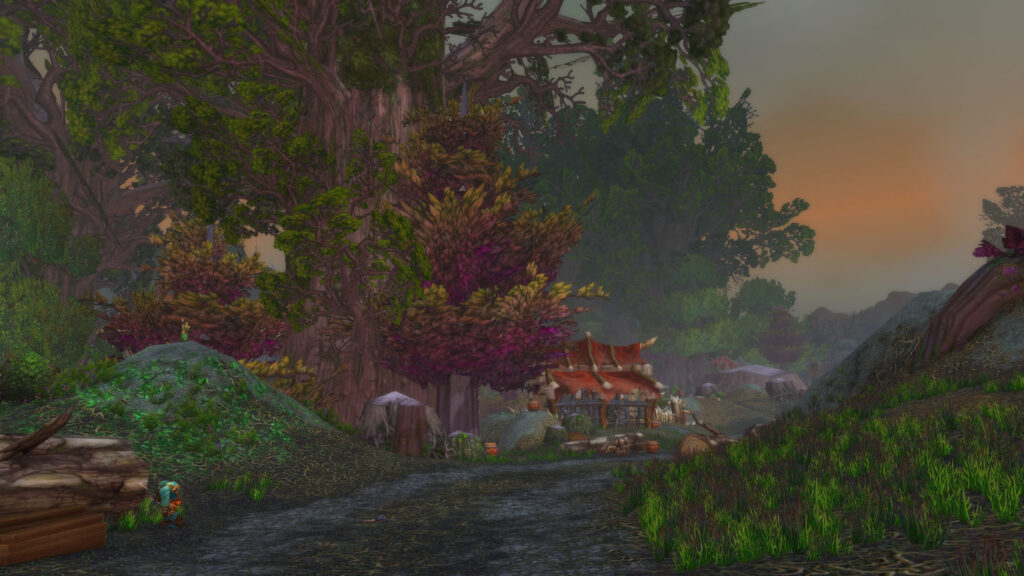
- The Burning Crusade: The concept of time travel was introduced with the shattered world of Draenor and its alternate version.
- Warlords of Draenor: The expansion deepened time travel’s role, introducing alternate realities and alternate versions of key characters.
- Iron Horde: The creation of the Iron Horde and its alternate version of Draenor posed the question: what would have happened if history had gone differently?
Time Travel in Modern WoW: The Complexity of Paradoxes and Alternate Realities
In recent expansions like *Battle for Azeroth* and *Shadowlands*, time travel has continued to play a major role in the game’s storytelling. The *Timewalker* dungeons, where players revisit past expansions to relive major battles and events, have become a staple of the game’s post-leveling content. These dungeons not only serve as a fun nostalgia trip but also raise questions about the nature of time and continuity in Azeroth.
One of the most significant challenges posed by WoW’s use of time travel is the paradoxes it creates. As players interact with different versions of past events, they are forced to confront the fluidity of canon and continuity. For example, how do the events in an alternate timeline impact the events in the main timeline? Can changes to the past affect the future in a way that disrupts the established narrative? These questions create a complex web of contradictions and possibilities that players must navigate as they move through Azeroth’s ever-evolving timeline.
- Timewalker Dungeons: Players revisit past events in *Timewalker* dungeons, experiencing past content through a new lens.
- Paradoxes: The introduction of time travel brings up contradictions and challenges to the established narrative, creating an evolving story.
- Alternate Timelines: The exploration of alternate realities in expansions challenges players’ understanding of WoW’s canon.
The Impact on WoW’s Storytelling and Player Perception
Time travel in WoW has fundamentally changed the way players perceive the game’s story. In a world where players are used to straightforward narrative progression, the concept of alternate timelines and time paradoxes introduces a sense of fluidity and uncertainty. The past is no longer fixed, and the future is not guaranteed. By exploring these alternate versions of events, players are forced to question the very nature of Azeroth’s reality.
This new approach to storytelling opens up endless possibilities for future content, allowing Blizzard to revisit old events and characters without being bound by the constraints of continuity. It also allows for greater player agency, as players can now actively participate in reshaping the course of history in ways that were previously unimaginable. However, this flexibility also creates tension within the WoW community, as players debate what is truly “canon” in a world that is constantly shifting through time.
- Shifting Narratives: Time travel allows WoW’s story to evolve in unpredictable ways, creating a sense of uncertainty in the narrative.
- Player Agency: Players can influence the timeline, adding a layer of personal involvement in the shaping of Azeroth’s story.
- Debates on Canon: The fluidity of time travel raises questions about what is truly canon in the game’s story, leading to debates within the community.
Conclusion
World of Warcraft’s use of time travel has introduced a new layer of complexity to the game’s storytelling. By exploring alternate realities, time paradoxes, and revisiting key moments in Azeroth’s history, the game challenges players’ perceptions of continuity and canon.
As the game continues to evolve, time travel will undoubtedly remain an integral part of the narrative, offering new opportunities for storytelling and gameplay. Whether it’s exploring the past through *Timewalker* dungeons or unraveling the mysteries of alternate timelines, WoW’s time travel mechanics continue to reshape the way players experience Azeroth’s history and future.