To minimize downtime in WoW raids, master your class-specific tactics, focusing on best cooldown usage and positioning. Keep essential consumables stockpiled and pre-craft necessary items like healthstones. Prioritize gear that greatly boosts stats and use addons like ItemRack for quick swaps. Establish clear communication using platforms like Discord and standardize callouts to prevent confusion. Balance your raid composition with an ideal mix of tanks, DPS, and healers, and confirm class ability synergy. Conduct thorough post-raid reviews using combat logs to identify areas for improvement. There’s a lot more you can do to maximize efficiency.
Key Takeaways
- Pre-craft consumables like healthstones, flasks, potions, and food buffs to eliminate preparations during the raid.
- Organize gear for quick access and ensure all items are repaired before the raid to prevent delays.
- Master class-specific rotations and cooldown management to maintain consistent and optimal performance.
- Use communication tools like Discord for clear, structured callouts and efficient team coordination during encounters.
- Conduct pre-raid briefings to strategize and align on goals, minimizing downtime for explanations during the raid.
Optimize Preparation
Optimizing preparation is essential for minimizing downtime in World of Warcraft (WoW) raids. You should start by mastering class-specific tactics to guarantee maximum efficiency during engagements. Study your class’s rotation, cooldown usage, and ideal positioning. Whether you’re a tank requiring precise timing for cooldowns or a healer needing quick decision-making, perfecting these aspects reduces the likelihood of raid wipes and prolonged fight recoveries.
Integrated consumable management is another critical factor. Stock up on the necessary flasks, potions, and food buffs specific to your role. For instance, use Intellect potions for spellcasters or agility flasks for melee DPS. Make sure to have a sufficient quantity to last the entire raid session, avoiding unnecessary breaks to restock.
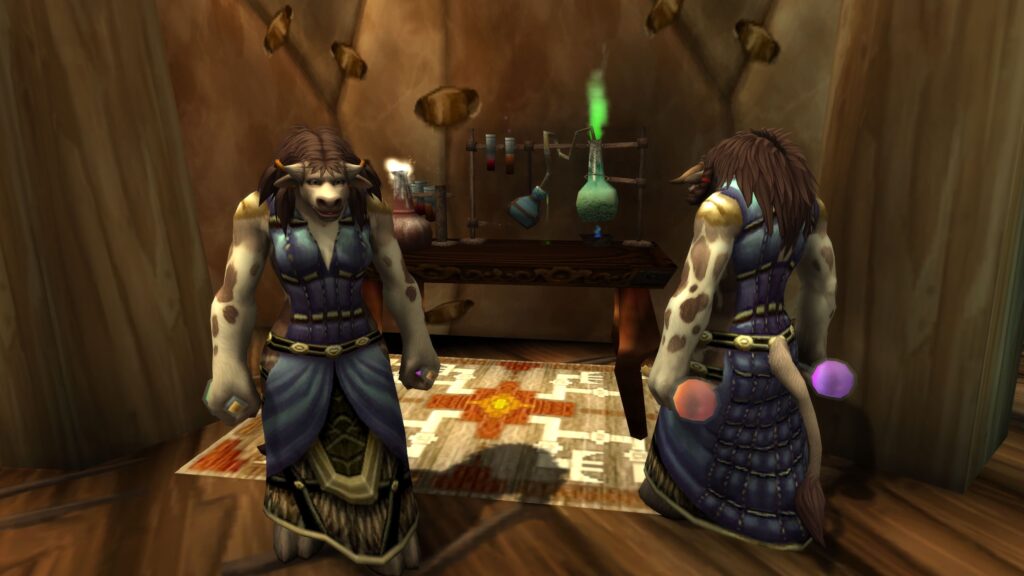
Additionally, pre-craft consumables like healthstones and soulstones if you’re a Warlock, or distribute mage portals and refreshment tables as required. By organizing these essential items in advance, you streamline the group’s efficiency and maintain momentum throughout the raid. This attention to detail, combined with class-specific tactics, translates directly to reduced downtime and higher overall raid productivity, guaranteeing smoother and more successful raid nights.
Efficient Gear Management
With thorough preparation established, the next step to minimize downtime in WoW raids is mastering efficient gear management. Start by prioritizing gear upgrades – focus on items that greatly boost your stats. Make a habit of researching ideal gear options for your class and spec. Always keep an eye out for trinkets, weapons, and set bonuses that can drastically enhance your performance.
Effective inventory organization can considerably cut downtime. Categorize your gear into distinct groups to streamline gear switching. For instance, use separate bags for primary set pieces, consumables, and off-spec gear. Keep frequently used items readily accessible.
Ensure all necessary gear, including situational items, are repaired and ready before each raid. Familiarize yourself with macros or addons such as ItemRack or Equipment Manager to quickly swap gear sets.
| Strategy | Details |
|---|---|
| Prioritize Gear Upgrades | Focus on gear that boosts stats |
| Research Ideal Gear | Identify best items for spec |
| Inventory Organization | Categorize gear in bags |
| Use Macros/Addons | Employ tools like ItemRack |
Effective Communication
A key component to minimizing downtime in WoW raids is cultivating effective communication among your raid team. Without clear and timely communication, valuable seconds slip away, often leading to unnecessary wipes. You should prioritize establishing a structured communication protocol. This begins with selecting a platform that supports voice clarity, such as Discord or TeamSpeak. High-quality audio guarantees raid callouts are understood by everyone immediately, reducing the likelihood of missed instructions.
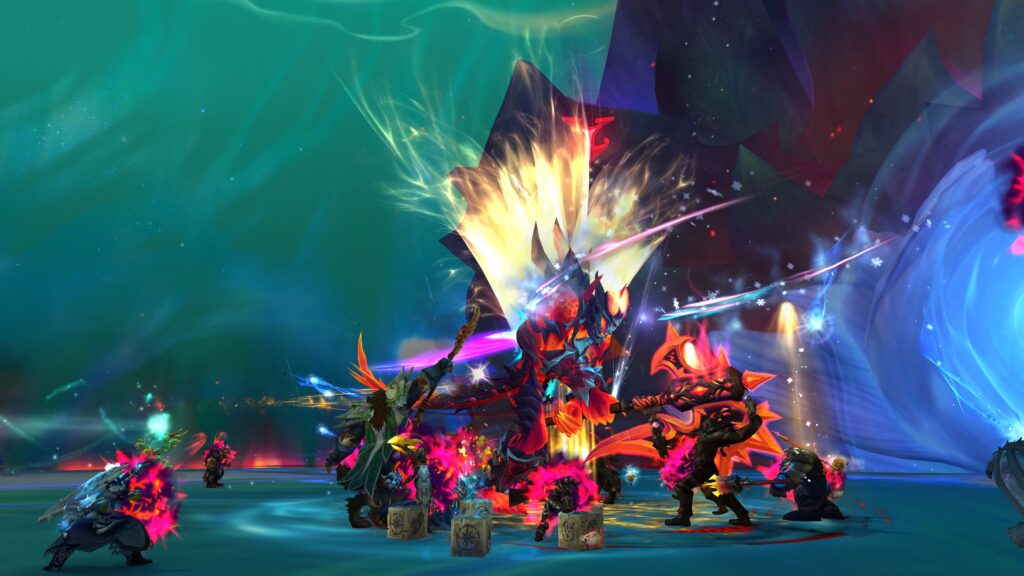
To enhance your communication strategy, consider implementing the following practices:
- Standardize Raid Callouts: Develop a set of predefined callouts for common scenarios (e.g., “incoming adds,” “stack on boss”) to eliminate ambiguity.
- Delegate Roles: Assign specific members as callout leaders for particular mechanics or phases, guaranteeing that not everyone is talking over each other.
- Regular Briefings: Conduct brief meetings before and after raids to review strategies, address communication issues, and make necessary adjustments.
Strategic Raid Composition
The essence of a successful WoW raid often lies in strategic raid composition, where every class and spec is meticulously chosen to enhance overall performance. Achieving the right balance is essential for minimizing downtime and optimizing efficiency. Start by ensuring proper tank balance; you generally need two tanks with complementary abilities, such as one main tank for handling boss aggro and an off-tank for managing adds or secondary targets.
Next, focus on damage distribution. Your raid should have a mix of melee and ranged DPS to adapt to various encounter mechanics. For instance, consistent high single-target DPS is important for boss fights, while burst and AoE damage are necessary for add-heavy encounters.
Here’s a simple layout to guide your composition:
| Role | Number of Players | Key Considerations |
|---|---|---|
| Tanks | 2 | Main and off-tank coordination |
| Melee DPS | 4-5 | High single-target and burst damage |
| Ranged DPS | 4-5 | Sustained DPS and AoE capabilities |
| Healers | 3-4 | Mixed cooldowns and healing profiles |
Post-Raid Review
After each raid, conducting a post-raid review can, in fact, drastically improve your team’s performance. The goal is to identify inefficiencies and pinpoint areas for improvement. Start by organizing a performance analysis session where you evaluate the logs and metrics from the raid. Pay attention to boss mechanics that caused significant issues, and determine which players might need further guidance or practice.
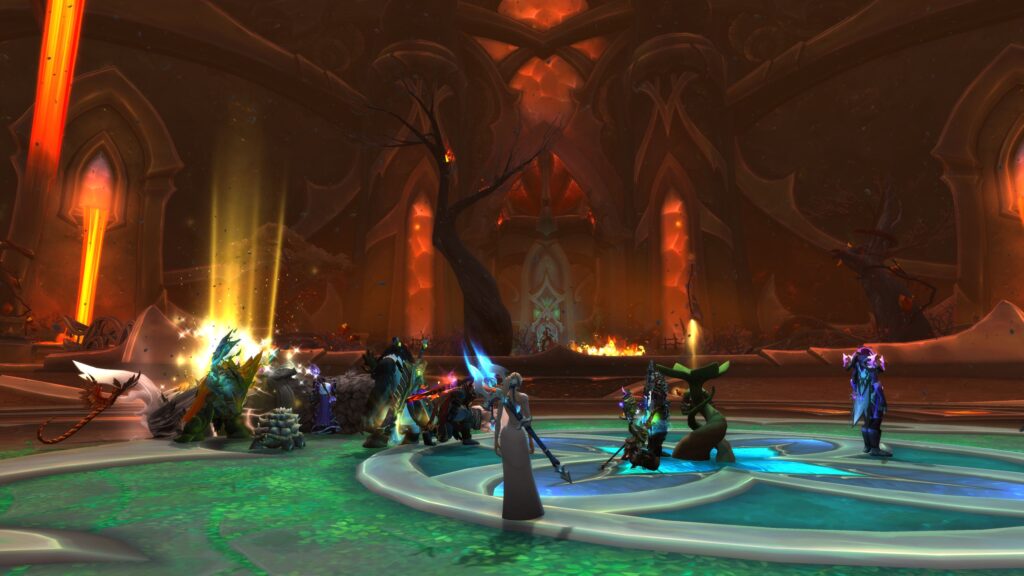
Feedback sessions are essential. Allocate time for each member to share their experiences and insights. This peer feedback can reveal both individual and collective shortcomings, aiding in crafting effective strategies for future raids.
Break down your post-raid analysis into focused sections:
- Combat logs review: Examine key moments in the raid to understand what went wrong or right.
- Role-specific feedback: Review the performance of each role (tank, healer, DPS) to address specific issues.
- Mechanic execution: Discuss how well your team adhered to boss mechanics and strategies.
Implement improvements based on your findings, perhaps revising roles or composition. Documentation of these reviews can serve as a valuable reference for upcoming raids. Remember, continuous performance analysis and consistent feedback sessions are the backbone of minimizing downtime and optimizing your raid team’s effectiveness.
Frequently Asked Questions
How Can I Improve My Individual Performance During Boss Fights?
To improve your individual performance during boss fights, focus on rotation enhancement, ensuring seamless spell synergy. Manage your personal cooldowns effectively to maximize uptime. Engage in awareness training to react swiftly to mechanics, maintaining position awareness to avoid unnecessary damage. Prioritize damage mitigation through defensive abilities. Continuously review your logs for areas of improvement, refining your strategy for peak results. Immersing in these tactics will substantially boost your overall effectiveness.
What Add-Ons Are Recommended for Reducing Raid Disruption?
When considering add-ons, you’ll want to use DBM or BigWigs for precise combat timers. Omen Threat Meter helps manage aggro effectively. Healing cooldowns can be tracked with add-ons like HealComm. Use Exorsus Raid Tools for efficient raid coordination and marking important targets with raid markers. Implementing these will guarantee smoother and uninterrupted raids by providing critical information and maintaining control during intense encounters.
How Can We Handle Unexpected Player Absences During a Raid?
Did you know that around 15% of raid nights face unexpected player absences? To tackle this, establish robust contingency plans. Always keep a few stand-by players ready for quick player substitution. Maintain a dynamic roster and leverage communication platforms like Discord to notify backups instantly. Regularly review raid composition and guarantee substitutes are up-to-date with strategies and roles, keeping the raid team resilient and prepared.
What Are Some Tips for Managing In-Game Currency for Raid Expenses?
Effective gold management guarantees your raid team’s expenses are covered. Prioritize high-yield daily quests and participate in lucrative professions like Alchemy or Enchanting. Always monitor the Auction House for profitable selling opportunities. Currency tips include setting up a raid treasury where members contribute a set amount weekly. Utilize gold tracking add-ons to monitor expenditures, guaranteeing efficient allocation of resources for repair costs, potions, and other consumables.
How Do You Keep Group Morale High During Challenging Encounters?
Well, because people just love online orders, why not apply that to a raid? Encouraging communication feels as essential as breathing. Also, celebrate victories no matter how small; even downing a trash mob can be a morale booster. Offer constructive feedback, using technical jargon to discuss mechanics. Organize pre-fight strategy meetings and post-fight debriefings to maintain transparency. This approach guarantees everyone feels valued and motivated throughout challenging encounters.
Conclusion
To wrap things up, minimizing downtime in WoW raids is your ticket to smoother, more successful runs. Streamline your preparations, maintain gear efficiently, and guarantee clear communication. Choose your raid composition wisely and conduct thorough post-raid reviews. By adopting these strategies, you’ll turn raid nights into well-oiled machines, leaving no room for wasted time—because in the world of Azeroth, every second counts. Remember, a team that raids together, stays together. Happy raiding!